Polar bears | Arctic environment | Polar Bear Facts
Polar bears | Arctic environment | Polar Bear Facts
Some interesting information about Polar Bear:
Their large, powerful paws are covered with fur to provide traction on ice and to help them swim in the icy waters.
This diet is crucial for their survival as the fat from seals provides the necessary energy to sustain them in the harsh Arctic climate. During the summer months, when sea ice melts and hunting becomes more challenging, polar bears rely on stored fat reserves.
Conservation efforts are focused on mitigating climate change, protecting critical habitats, and reducing human-polar bear conflicts in areas where they come into contact with human communities.

More Tidbits:
Polar Bear Adaptations:
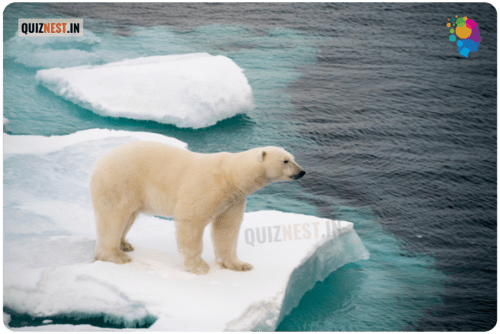
Polar bears are uniquely adapted to survive in the Arctic environment. Their thick fur and a layer of blubber provide insulation against the extreme cold. The fur is not white but actually transparent and hollow, reflecting light and blending with the snow and ice. Underneath their fur, their skin is black, which helps absorb and retain heat from the sun.Their large, powerful paws are covered with fur to provide traction on ice and to help them swim in the icy waters.
Polar Bear Diet and Hunting:
Polar bears primarily hunt seals, which they catch by waiting near breathing holes in the ice. They have an acute sense of smell and can detect a seal from nearly a mile away and under several feet of compacted snow.This diet is crucial for their survival as the fat from seals provides the necessary energy to sustain them in the harsh Arctic climate. During the summer months, when sea ice melts and hunting becomes more challenging, polar bears rely on stored fat reserves.
Polar Bear Conservation Status:
Polar bears are currently listed as vulnerable by the International Union for Conservation of Nature (IUCN). The primary threat to polar bears is the loss of their sea ice habitat due to climate change. As the Arctic warms and sea ice diminishes, polar bears have to travel greater distances to find food, which can lead to decreased body condition and lower cub survival rates.Conservation efforts are focused on mitigating climate change, protecting critical habitats, and reducing human-polar bear conflicts in areas where they come into contact with human communities.
More Tidbits:
- Excellent Swimmers: Polar bears are excellent swimmers and can swim for long distances at a steady pace of about 6 miles per hour. They have been recorded swimming continuously for several days, covering distances of over 60 miles without rest, which helps them navigate the Arctic waters in search of food and ice floes.
- Keen Sense of Smell: Polar bears have an extraordinary sense of smell and can detect the scent of a seal nearly a mile away and up to three feet under the snow. This keen sense of smell is crucial for hunting and finding food in the vast, icy expanses of their habitat.
- Maternal Dens: Female polar bears dig dens in the snow where they give birth to their cubs, typically between November and January. The dens provide a warm and safe environment for the cubs during the harsh winter months. Cubs are usually born blind and weigh about one pound, but they grow rapidly on their mother’s rich milk.
 |
Watch more about Polar Bear on YouTube |