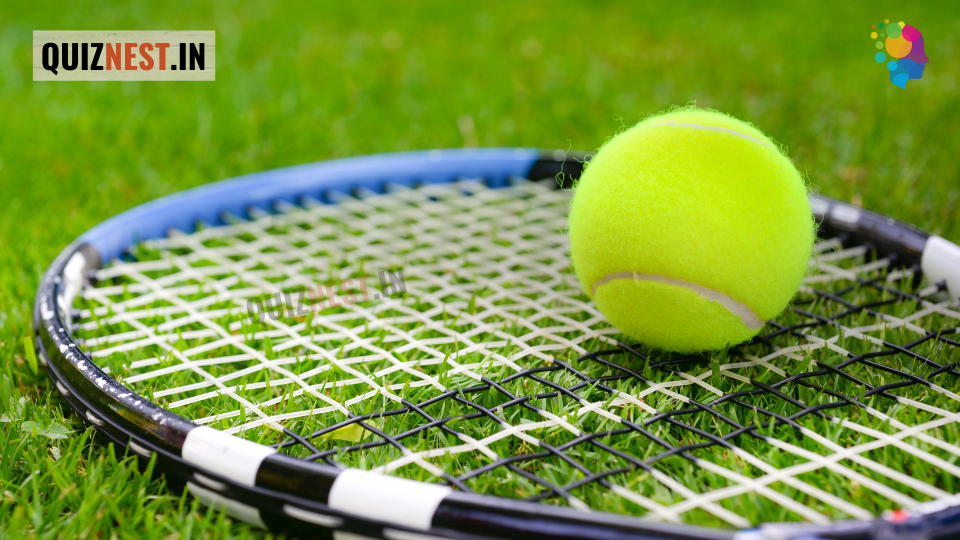
Here, we present interesting facts on lawn tennis racket | How is a tennis racket made? You will learn about many things you didn't know about lawn tennis racket. In this way, you will increase your general knowledge on lawn tennis racket in a fun manner. Here, you will find useful information on lawn tennis racket. Remember, you are on www.quiznest.in, which brings you exciting facts like this. These are free online learning resources for you. Let's get started on interesting information about lawn tennis racket.
About Lawn Tennis Racket:
The journey of a tennis racket, from raw materials to a powerful tool in your hand, involves a fascinating blend of technology and craftsmanship. Here's a detailed breakdown of the process.
Material Selection and Preparation of Lawn Tennis Racket:
The Frame: The heart of the racket is the frame, typically constructed from graphite or other composite materials. These materials offer a perfect balance of strength, stiffness, and weight.
Prepreg: These materials are often used in the form of prepreg, which is essentially the composite material pre-impregnated with resin. The way these fibers are woven and oriented within the prepreg significantly affects the racket's playing characteristics. For instance, a denser weave might create a stiffer racket for powerful shots, while a looser weave might provide more flexibility for control.
Additional Layers: Some rackets incorporate additional layers within the frame. These layers could be made from different materials like Kevlar (for added dampening) or even metallic materials (for a specific feel). The specific combination and layering techniques are closely guarded secrets by manufacturers.
Molding and Shaping of Lawn Tennis Racket:
The Mold: The prepreg is carefully placed into custom-made molds that define the final shape and size of the racket head and handle. These molds are crucial for ensuring consistent quality and precise dimensions.
Curing Process: Depending on the chosen manufacturing method, heat and pressure are applied to the prepreg within the mold. This process cures the resin, solidifying the frame and bonding the various layers together. Some techniques involve autoclaves (pressurized chambers) for precise temperature and pressure control.
Drilling and Finishing of Lawn Tennis Racket:
String Holes: Once the frame of a lawn tennis racket is cured and hardened, precise holes are drilled into specific locations to accommodate the tennis strings. The number and positioning of these holes significantly impact the "string pattern" and how the racket performs.
Smoothing and Sanding: The frame of a lawn tennis racket undergoes a smoothing and sanding process to remove any imperfections and achieve a clean, finished surface.
Painting and Branding of Lawn Tennis Racket:
Design and Logos: The frame is then painted or decorated with the final design elements, brand logos, and any player endorsements. Manufacturers use a variety of techniques for this step, from decals to intricate paint jobs.
Stringing and Assembly of Lawn Tennis Racket:
String Selection: The lawn tennis racket is then strung with specific types of tennis strings. Different string materials, thicknesses, and tensions offer distinct playing experiences, and players may choose strings based on their personal preferences and playing style. Stringing is often a skilled task, requiring a dedicated machine for precise tension control and knotting techniques.
Grip Attachment: The final step involves attaching the handle grip. Grips are typically made from synthetic materials for durability and comfort, though some high-end rackets might offer leather grips.
Quality Checks: Before reaching store shelves, finished lawn tennis rackets undergo a series of quality checks to ensure they meet the manufacturer's standards and specifications.
Variations in Manufacturing of Lawn Tennis Racket:
Automation vs. Craftsmanship: The manufacturing process can vary depending on the brand and racket model. High-end rackets might incorporate more manual processes for specific steps, while mass-produced models might utilize a higher degree of automation for efficiency.
Handle and Grip Materials: While synthetic materials are common for grips, some lawn tennis rackets offer variations like rubber or even leather grips for enhanced feel and comfort.
More Tidbits about Lawn Tennis Racket:
Material Marvel: The early days of lawn tennis saw rackets crafted from wood, typically ash or hickory. However, by the late 19th century, innovation led to the introduction of steel frames. These offered greater strength and durability, but also more weight. The true revolution came in the mid-20th century with the introduction of composite materials like graphite. These materials are incredibly light yet possess superior strength and stiffness, allowing for the creation of modern, high-performance rackets.
Secret Weapon: The way the fibers are woven and oriented within the frame of a racket is a closely guarded secret by many manufacturers. This seemingly minor detail significantly affects how the racket plays. A denser weave might create a stiffer frame for powerful shots, while a looser weave might provide more flexibility for control. Understanding how these "fiber orientations" influence performance allows manufacturers to design rackets for specific playing styles.
String Sweet Spot: The "sweet spot" of a tennis racket is the ideal location where contact with the ball generates the most power and control. However, the string pattern, which refers to the arrangement of holes for the strings, also plays a role. A denser string pattern (more holes) can create a smaller sweet spot but offer more control, while a looser pattern (fewer holes) can provide a larger sweet spot but potentially less control. The choice of string pattern is another way players can personalize their racket to match their game.
The Final Product:
The end result of this intricate process is a finely tuned instrument for the modern tennis player. From the meticulously designed frame to the precisely strung surface, each aspect of a tennis racket plays a crucial role in how it performs on the court.